
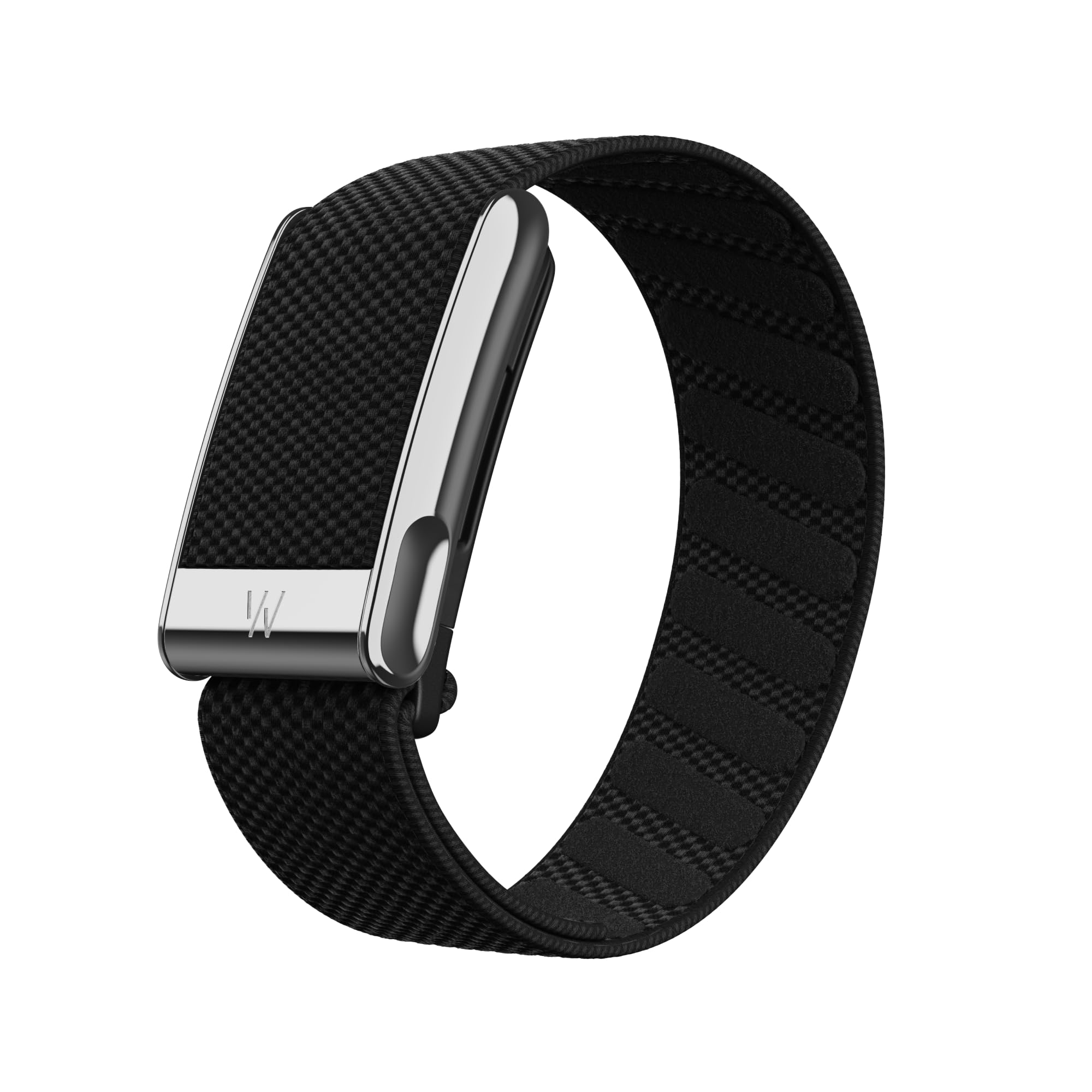
The WHOOP Life 12-Month Membership is not a typical fitness tracker. It is a subscription-based service that provides a dedicated hardware band and a data-rich platform focused on 24/7 activity, sleep, and recovery monitoring. Unlike many consumer wearables that emphasize step counts or social features, WHOOP is designed for users who want a deep, longitudinal view of their physiological strain and readiness.
In real-world use, the WHOOP band is worn continuously, including during sleep and showers. It automatically detects sleep stages, naps, and daily strain without requiring manual logging. The device uses optical heart rate and accelerometer data to calculate a daily recovery score, which is presented as a percentage. This score is intended to guide whether you should push hard, maintain, or rest. The platform also includes personalized coaching tips based on your data patterns, such as optimal bedtimes or strain targets.
One of the key functional features is the menstrual cycle tracking. For women, WHOOP can predict ovulation and cycle phases based on physiological changes like resting heart rate and heart rate variability. This is integrated into the recovery and strain recommendations, offering context that many general fitness trackers miss.
However, there are notable limitations. The most obvious is the subscription model: you pay $30 per month or a lump sum for a 12-month membership, and the hardware is tied to the subscription. If you stop paying, the band becomes a paperweight. This is a significant trade-off compared to devices like the Fitbit Charge or Garmin Vivosmart, which offer similar health metrics without ongoing costs. Additionally, WHOOP lacks a screen for real-time data glance; you must check your phone for any feedback, which can be inconvenient during workouts.
Another limitation is the battery life. While WHOOP claims over 14 days, real-world usage often falls closer to 10–12 days, especially with continuous heart rate monitoring and activity tracking. This is still better than many smartwatches, but it is not as long as some dedicated sleep trackers like the Oura Ring, which can last up to a week. Charging requires a specific cradle that clips onto the band, and you need to plan charging around sleep tracking, as the device does not charge wirelessly.
Comparing WHOOP to a generic smartwatch like the Apple Watch or Samsung Galaxy Watch reveals a different philosophy. Smartwatches offer notifications, apps, and GPS, but their health tracking is often secondary. WHOOP is laser-focused on recovery metrics, strain, and sleep, and it avoids distractions. For someone who wants a pure training tool without the noise of a smartwatch, WHOOP makes sense. But for users who want a multi-purpose device, the trade-off may not be worth it.
Who is this product suitable for? It is ideal for serious athletes, fitness enthusiasts, or anyone who wants to optimize training and recovery based on objective data. It is also useful for people who want to track sleep patterns in detail without wearing a bulky watch. The menstrual cycle tracking is a bonus for women who want cycle-aware training.
Who is it not for? Casual users who just want step counts or occasional heart rate checks will find the subscription cost hard to justify. People who dislike wearing a band 24/7 or who want on-device feedback will be frustrated. Also, those who prefer a one-time purchase should look at alternatives like the Garmin Forerunner or Polar watches.
In summary, the WHOOP Life 12-Month Membership delivers on its promise of deep physiological tracking and personalized coaching, but it demands a financial commitment and a specific use case. It is a niche tool for data-driven individuals, not a general-purpose fitness gadget.