
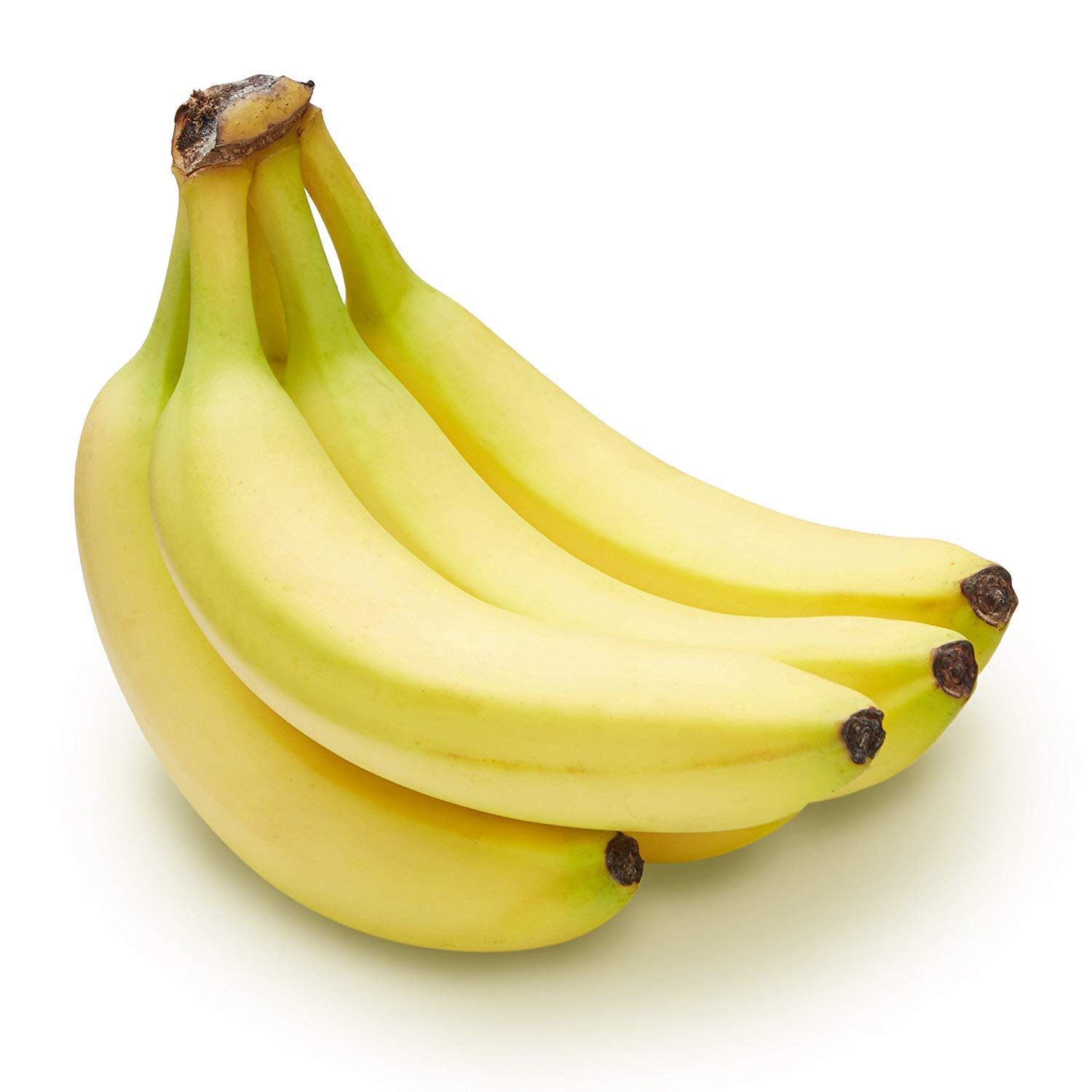
When you pick up a banana bunch at the grocery store, you’re usually looking for something that’s ready to eat within a day or two, without turning into mush by the end of the week. The Banana Bunch (4-5 Count) is a common offering in most supermarkets, and it’s worth examining how it holds up in real life—not just as a convenient snack, but as a staple for cooking, baking, or lunchboxes.
In practice, these bananas are typically sold as a single hand, meaning they’re still attached at the stem, with four to five individual fruits. The size can vary noticeably: sometimes you get a bunch of medium-length bananas, other times a mix of smaller and larger ones. This inconsistency isn’t necessarily a flaw—it’s just how fresh produce works. But if you’re planning to use them for something like smoothies or banana bread, you might want to check the ripeness before buying. A bunch that’s too green will need a few days on the counter, while one with brown spots might be perfect for baking right away.
Key functional features here are straightforward: bananas are a source of potassium and vitamin B6, they come in their own natural packaging, and they require no prep work beyond peeling. The bunch format is handy if you want to control how many you eat over a few days, as you can separate them and let them ripen at different rates. That said, the trade-off is that you’re locked into a specific count—if you only need two bananas, the rest might go past their prime unless you refrigerate them (which turns the peel brown but keeps the flesh edible) or freeze them for later use.
Compared to a bag of apples or a container of berries, bananas have a much shorter shelf life once ripe. Apples can last weeks in the fridge, and berries can be frozen with minimal loss of texture. Bananas, on the other hand, are best eaten within a day or two of reaching peak yellow with a few brown specks. If you’re someone who buys produce in bulk to save time, a bunch of bananas might not be the most efficient choice—you’d be better off with a larger bundle from a warehouse store, or even a bunch of plantains if you want a starchier option that cooks differently.
Who is this product for? It’s ideal for individuals or small households that go through fruit quickly, or for anyone who likes having a grab-and-go snack without any packaging waste. It also works well for parents packing school lunches, since a single banana is easy to toss in a bag. However, it’s less suitable for people who need a consistent supply of unripe bananas for cooking (like making tostones) or for those who want a fruit that stays fresh for a week or more. If you’re a heavy banana eater—say, one per day—you’ll probably find yourself buying multiple bunches per week, which can be a bit of a hassle compared to buying a larger bag.
One limitation worth noting is the environmental impact of the packaging. While the bananas themselves have no plastic if sold loose, many stores wrap the stems in plastic or sell them in a plastic bag to keep the bunch together. This is a minor annoyance if you’re trying to reduce waste, but you can often request them without the bag at the checkout. Also, the quality of the fruit can be hit or miss depending on the store’s turnover—sometimes you’ll get a bunch that’s been sitting too long, with bruises or a split peel. Checking each banana for firmness and any dark spots is a good habit.
In terms of performance, expect the bananas to ripen at room temperature over three to five days from when you buy them. If they’re already yellow with some green at the ends, you’ll likely have two days of ideal eating before they become too soft for snacking. For baking, overripe bananas are actually better, as they’re sweeter and mash easily. But if you’re looking for a crisp, firm banana for a fruit salad, you’ll want to eat them on the first day. There’s no magic here—bananas are a natural product with natural variability.
Overall, the Banana Bunch (4-5 Count) is a solid choice for fresh fruit, provided you have realistic expectations about ripeness and shelf life. It’s not a game-changer, but it does what it’s supposed to do. Just be prepared to either eat them quickly or find ways to use them up—like slicing onto cereal, blending into a smoothie, or freezing for later. For most people, it’s a practical, no-fuss addition to a weekly grocery run.