
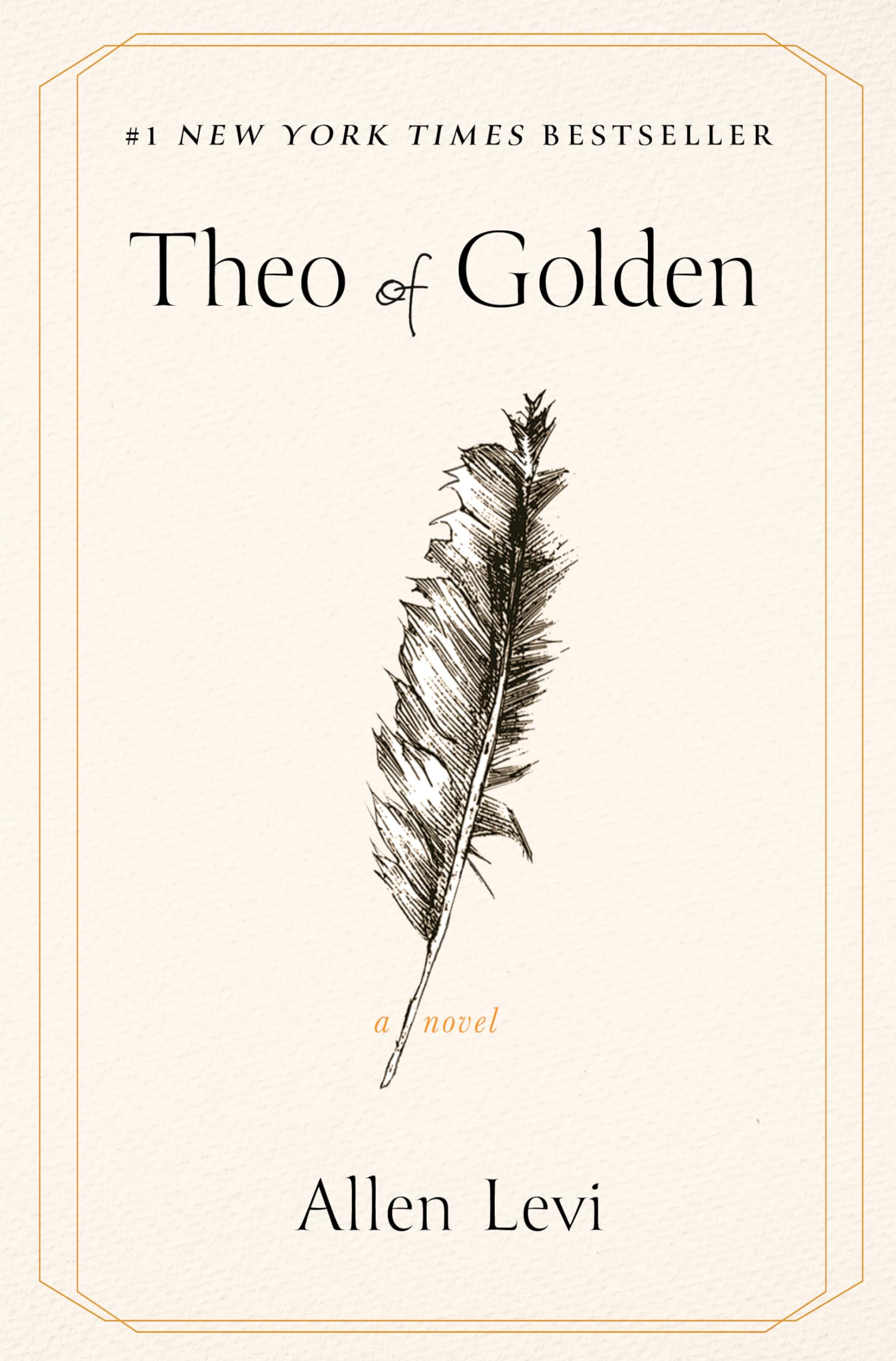
Theo of Golden is a novel that, at first glance, seems like a straightforward family drama set in the foothills of Colorado. But as you read, it becomes clear that the author is after something more nuanced: a meditation on how landscapes shape people, and how people carry their pasts like backpacks full of rocks. The story follows Theo, a man in his late thirties, as he returns to his hometown of Golden after a long absence, prompted by his mother’s declining health. What unfolds is less a plot-driven narrative and more a slow-burn character study.
In practice, this is the kind of book you read over a long weekend or during a quiet week of vacation. It’s not a page-turner in the thriller sense—there are no cliffhangers or sudden twists. Instead, the momentum comes from small, cumulative revelations about Theo’s relationships with his sister, his estranged father, and the town itself. The prose is lean but evocative, with descriptions of the Rocky Mountain landscape that feel earned rather than decorative. If you’ve spent time in small mountain towns, you’ll recognize the mix of insularity and beauty that defines places like Golden.
Key features of the novel include its tight third-person perspective, which stays close to Theo’s thoughts without ever becoming claustrophobic. The dialogue is natural and understated—people talk around their feelings rather than stating them outright. There’s also a deliberate pacing that mirrors the rhythm of small-town life: slow mornings, long drives, and conversations that trail off into silence. The author avoids melodrama, which is refreshing, but it also means that some emotional beats land softly rather than hitting hard.
One limitation worth noting is the novel’s narrow scope. While the writing is careful and restrained, readers looking for a wider cast of characters or a more intricate plot may find it too focused. Theo’s internal world is rendered in detail, but secondary characters—particularly his sister and a former girlfriend—feel somewhat sketched rather than fully drawn. The novel also assumes a certain patience from its reader; if you prefer stories with clear stakes and forward momentum, this might feel slow.
Comparisons to other literary fiction are inevitable. Fans of Kent Haruf’s Plainsong or Richard Ford’s Independence Day will find a similar attention to place and inner life, though Theo of Golden is less expansive in its scope. It’s closer in spirit to a short story collection about a single character—like a novel in vignettes. Where it differs is in its setting: the Front Range of Colorado gets a specificity that feels authentic, from the smell of pine after rain to the way light hits the foothills at dusk.
Who is this novel for? It will appeal to readers who enjoy quiet, introspective fiction about family dynamics and personal history. If you liked Elizabeth Strout’s Olive Kitteridge or Willy Vlautin’s The Free, you’ll likely appreciate the tone here. It’s also a good pick for anyone who has ever felt ambivalent about returning to a hometown—the book captures that mix of familiarity and alienation well. On the other hand, it’s not ideal for readers who want fast-paced plots, action, or romance. The novel’s restrained style means that those looking for dramatic resolutions or sweeping emotional arcs may leave unsatisfied.
In terms of craft, the author shows a strong sense of place and a willingness to let silence do the work. But the novel could have benefited from a slightly tighter edit in the middle sections, where a few scenes feel repetitive. The ending, while fitting, might feel too open-ended for some. Still, for a debut novel, it’s a confident and measured piece of work.
Overall, Theo of Golden is a solid, if modest, addition to contemporary literary fiction. It won’t change the way you think about novels, but it might make you want to drive up into the mountains and sit with your thoughts for a while. That’s not a bad thing—just know what you’re getting into.