
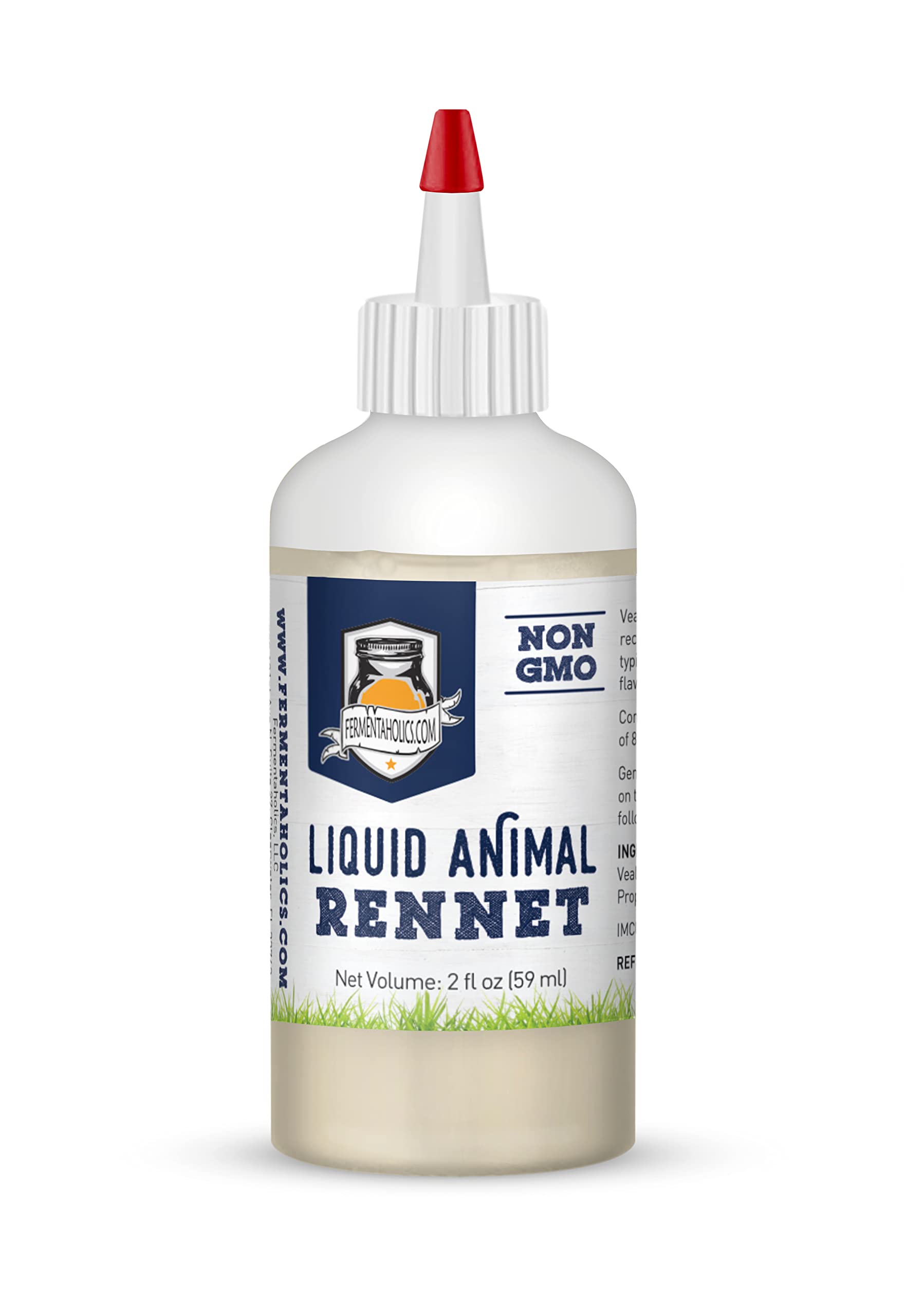
For anyone getting into home cheesemaking, liquid animal rennet is one of those ingredients that feels both essential and a bit mysterious. This particular product comes in a 2-ounce bottle, which is a common size for hobbyists who want to try their hand at making hard cheeses like cheddar, gouda, or mozzarella. It is a milk coagulant derived from animal sources, typically calf stomach, and it works by enzymatically setting the milk into curds. In practice, you dilute a small amount in cool water before adding it to warmed milk, then wait for the curd to form. The process is straightforward, but the timing and temperature matter a lot.
One of the key functional features here is the liquid form itself. Unlike tablet or powder rennet, liquid rennet dissolves quickly and evenly in water, which reduces the risk of clumping or uneven coagulation. This is especially useful when you are working with smaller batches of milk at home, as it allows for more consistent results. The bottle also includes a dropper or a small opening that helps with measuring the tiny quantities needed—usually just a few drops per gallon of milk. That precision is important because too much rennet can lead to a bitter taste or overly firm curds, while too little might not set at all.
However, there are some trade-offs to consider. Liquid animal rennet has a shorter shelf life than powdered or tablet forms, especially once opened. The bottle needs to be refrigerated and used within a few months for best results. If you do not make cheese frequently, you might find that a portion of the bottle loses potency before you finish it. Also, the animal-based nature of this rennet means it is not suitable for vegetarians or those avoiding animal products. For comparison, vegetable rennet or microbial rennet are alternatives that work similarly but are plant- or microbe-derived. They tend to have a longer shelf life and are more widely available in health food stores, though some cheesemakers argue that animal rennet gives a more traditional flavor profile in aged cheeses.
In real-world usage, this rennet performs reliably for hard cheeses that require a clean break—the point where the curd separates cleanly from the whey. I have seen it used in recipes for feta and paneer as well, though for soft cheeses like ricotta, you might prefer an acid-based coagulant like lemon juice or vinegar. The 2-ounce size is practical for someone making cheese every few weeks, but if you are only experimenting once or twice, it might be more than you need. One limitation worth noting is that the rennet can be sensitive to temperature changes; if your milk is too hot or too cold, the coagulation may be slow or uneven. Following the instructions carefully is necessary, but even then, slight variations in milk type or pH can affect results.
This product is best suited for home cheesemakers who are comfortable with basic techniques and want to produce firm, aged cheeses. It is less ideal for beginners who are just starting out with quick cheeses like mozzarella, where a vegetarian rennet might be simpler to handle. It is also not for those who need a long-lasting ingredient or who prefer a vegetarian option. Overall, the liquid animal rennet does what it is supposed to do, but it requires some attention to storage and technique. If you are willing to work within its limitations, it is a functional tool for traditional cheesemaking at home.