
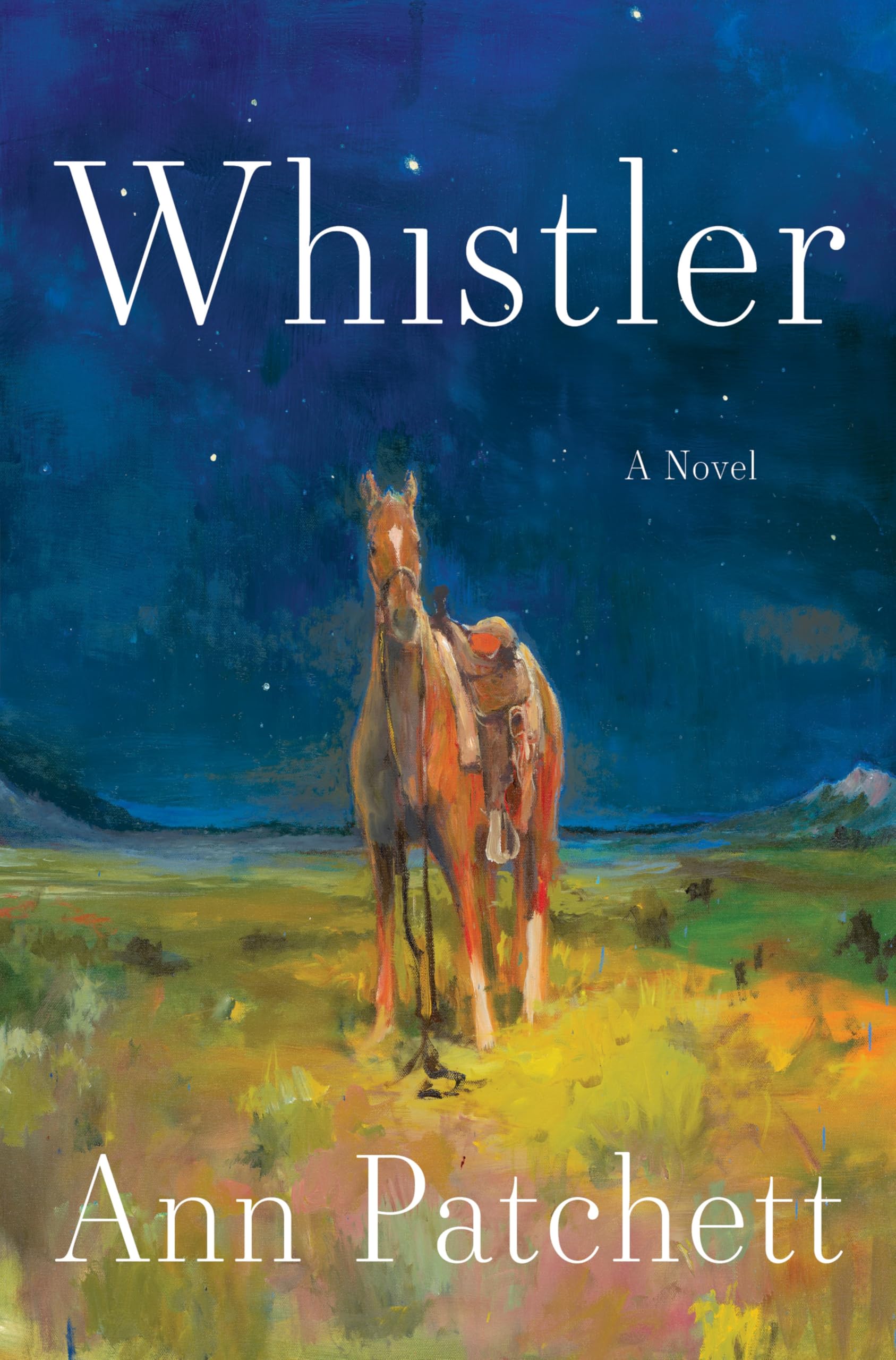
Whistler: A Novel is the latest offering from E. Lockhart, a writer known for twisting family dramas and unreliable narrators. This book follows a young woman named Anna who returns to her remote coastal hometown after her estranged mother’s sudden death. There, she uncovers secrets tied to a local legend about a whistler who signals danger. The story unfolds as Anna pieces together her mother’s past while confronting her own fractured memories.
In practice, this novel works best as a slow-burn mystery for readers who enjoy atmospheric settings and psychological tension. The narrative moves at a deliberate pace, focusing on Anna’s internal struggles and the eerie, fog-shrouded landscape. Lockhart’s prose is precise, often painting scenes that feel both vivid and claustrophobic. The whistler legend itself is used sparingly, which keeps it from feeling gimmicky but may leave some wanting more direct supernatural elements.
Key functional features of the book include:
- Dual timeline structure – alternating between Anna’s present-day investigation and flashbacks to her mother’s younger years, which adds depth to the family mystery.
- Unreliable narration – Anna’s perspective is filtered through her own grief and gaps in memory, forcing readers to question what is real.
- Atmospheric setting – the isolated island community with its dense woods and crashing waves becomes almost a character itself, building tension without relying on jump scares.
- Subdued pacing – the plot unfolds through quiet revelations rather than explosive action, which suits the introspective tone.
A notable limitation is the resolution. The final twist feels somewhat rushed, and some threads about the whistler’s origin are left ambiguous in a way that may frustrate readers expecting a neat conclusion. Additionally, the supporting characters, like Anna’s childhood friend and a local historian, are sketched lightly and serve more as plot devices than fully realized people. This can make the emotional stakes feel uneven, especially in the second half.
Compared to other literary mysteries, such as Tana French’s Dublin Murder Squad series or Ruth Ware’s The Woman in Cabin 10, Whistler leans harder into introspective character study than plot mechanics. French’s books often balance procedural detail with rich characterization, while Ware’s thrillers prioritize fast-paced twists. Lockhart’s novel sits somewhere in between, but it lacks the tight plotting of either. For readers who enjoyed the slow unraveling in We Were Liars (also by Lockhart), this will feel familiar, though Whistler is more grounded in realism and less reliant on a shocking reveal.
Who is this book for? It suits readers who appreciate mood-driven mysteries with a focus on family secrets and psychological depth. If you like stories where the setting mirrors the protagonist’s internal turmoil, and you’re patient with a meandering pace, this will likely resonate. It is less ideal for those who prefer fast-paced thrillers with clear, action-oriented resolutions or who need all loose ends tied up neatly. The ambiguous ending may also disappoint fans of more conventional whodunits.
Overall, Whistler: A Novel is a competent but uneven addition to Lockhart’s bibliography. It delivers a haunting atmosphere and a compelling central mystery, but the execution stumbles in its final act. For a thoughtful, rainy-day read with a literary bent, it is worth a look—just don’t expect all the answers to be handed to you.