
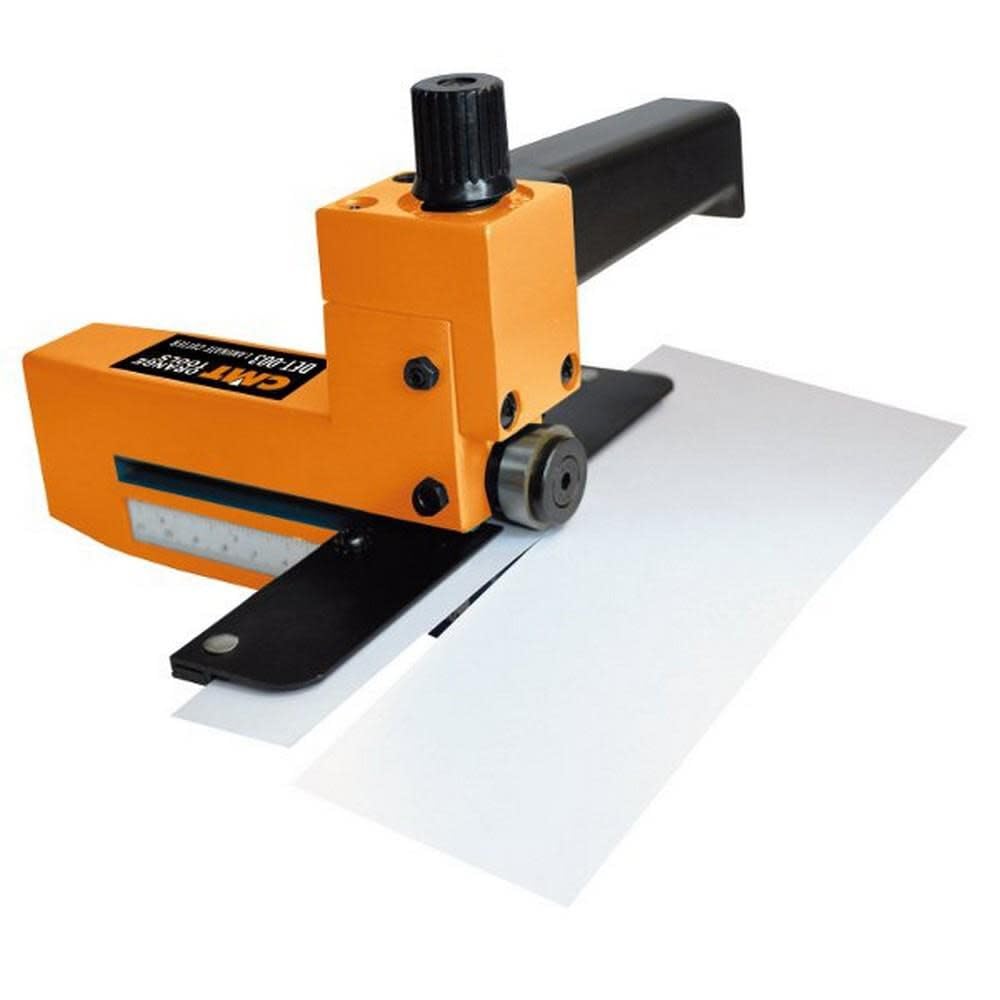
The CMT DET-003 is a specialized router bit designed for cutting laminate and veneered materials, where chipping and tear-out are common frustrations. Unlike general-purpose router bits that can leave rough edges on these delicate surfaces, this cutter aims to deliver clean, finished cuts straight from the tool. In practice, it’s used for tasks like trimming laminate countertop edges, cutting veneered plywood for cabinetry, or profiling melamine boards where a smooth, chip-free edge is critical.
Key functional features include a specific geometry with a downward shear angle and a sharp carbide tip that shears through the material rather than tearing it. The bit is engineered to work with both hand routers and table-mounted setups, though its effectiveness depends heavily on feed rate and depth of cut. It’s not a one-size-fits-all solution, but for its intended use, it performs reliably when used correctly.
One limitation worth noting is that the CMT DET-003 is less forgiving on softer or poorly stabilized materials. If the laminate or veneer is already loose or of low quality, even this bit can cause some chipping. Additionally, it requires a clean, sharp setup—dull bits or improper speeds will still lead to tear-out. It’s also a bit more expensive than standard flush-trim bits, which might be a trade-off for those who only occasionally work with laminates.
Compared to a generic flush-trim bit or a standard upcut spiral bit, the CMT DET-003 offers noticeably cleaner edges on laminates and veneers. A generic bit often leaves small chips along the cut line, especially on the top surface of the material. The CMT bit minimizes this, but it’s not perfect—some fine dust or minor fuzzing can still occur on certain materials, particularly on the bottom edge of a cut. For most woodworking projects, a good-quality upcut spiral bit might be sufficient, but for high-end laminates or thin veneers where appearance matters, this bit is a step up.
Who is this cutter suitable for? It’s ideal for professional cabinetmakers, countertop fabricators, or serious hobbyists who frequently work with laminates, veneers, or melamine and need consistent, clean results. It’s also a good choice for anyone doing edge banding or trimming where a smooth finish saves sanding time. On the other hand, it’s not necessary for general woodworking tasks like cutting solid wood or plywood without veneer, where a standard router bit would work fine and cost less. Beginners might find the price and specialization hard to justify unless they specifically need chip-free laminate cuts.
In terms of real-world performance, the CMT DET-003 does reduce chipping significantly compared to cheaper bits, but it’s not a magic solution. Users should still pay attention to router speed, feed direction, and bit sharpness. The bit works best with a router that has good speed control—too fast can burn the material, too slow can cause tear-out. It’s also worth noting that the bit’s design makes it more sensitive to side load, so using it in a router table with a fence or a bearing guide is recommended for stability.
Overall, the CMT DET-003 is a well-engineered tool for a specific job. It doesn’t promise perfection, but it delivers better results than general-purpose alternatives in its niche. If your work involves laminates or veneers regularly, it’s a worthwhile investment. If you only encounter these materials occasionally, you might get by with a standard bit and some careful sanding.