
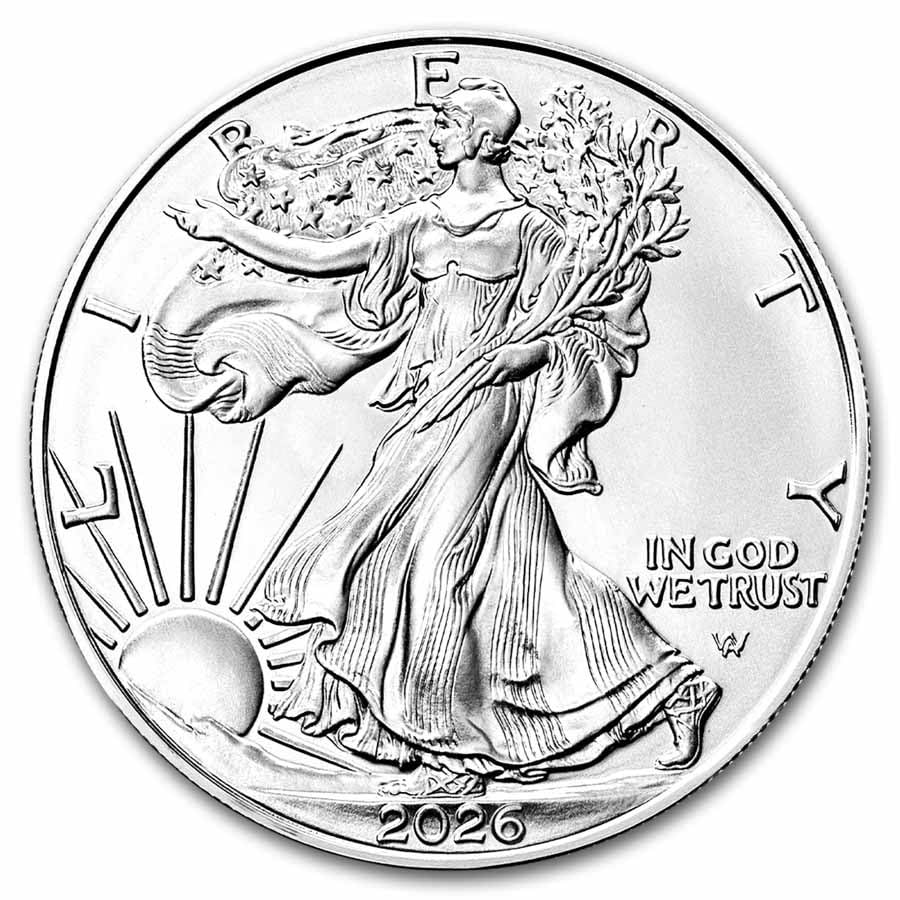
The 2026 American Silver Eagle 1 oz Bullion Coin, sold as a single unit with a certificate of authenticity, is a staple in the precious metals market. It’s a product that needs little introduction for those already stacking silver, but for newcomers, it represents a standard entry point into government-minted bullion. This review focuses on the coin as it’s typically encountered: an uncirculated piece from a secondary market seller, often priced slightly above spot.
In real-world use, this coin is primarily purchased for investment or wealth preservation. Buyers tend to fall into two camps: those accumulating physical silver as a hedge against inflation, and collectors who appreciate the design and government backing. The coin is not meant for daily spending—it’s stored in tubes, safes, or deposit boxes. Its $1 face value is symbolic and far below its melt value, which is tied to the spot price of silver. This disconnect is important to understand: the coin’s worth is driven by its metal content, not its legal tender status.
Key functional features include a 1 troy ounce weight of .999 fine silver, a diameter of 40.6 mm, and a reeded edge. The design features Adolph A. Weinman’s Walking Liberty obverse (first used on U.S. half dollars from 1916 to 1947) and a reverse design by Emily Damstra, updated in 2021 to include a more detailed eagle. The 2026 version continues this modern reverse. The coin comes with a certificate of authenticity from the seller, which is a nice touch but not a guarantee of authenticity—it’s always wise to verify with a reputable dealer or use a sigma tester.
One limitation worth noting is the premium over spot price. While generic silver rounds or bars can be bought for a smaller premium, the American Silver Eagle typically carries a higher cost due to its status as a U.S. Mint product. This premium can erode some of the investment value if silver prices drop or if you need to sell quickly. Additionally, the coin is susceptible to milk spots, a common issue with modern minting where white spots appear on the surface due to manufacturing residues. These do not affect the silver content but can bother collectors seeking pristine condition.
Compared to generic silver rounds or bars, the American Silver Eagle offers stronger liquidity and government backing. Generic rounds, often produced by private mints, are cheaper but may be harder to sell at a fair price, especially in smaller quantities. For example, a 1 oz silver bar from a reputable private mint might cost $2-3 less per ounce. However, the Eagle’s recognition means it’s accepted by most dealers and investors without question. On the flip side, if you’re buying purely for weight and don’t care about collectibility, generic silver is a more cost-effective option.
This coin is suitable for long-term silver stackers who want a trusted, recognizable product, and for new investors who prefer government-minted coins for peace of mind. It’s also a good choice for gift-giving, as the design and certificate add a sense of presentation. However, it is not suitable for those seeking the lowest possible price per ounce, as the premium is a trade-off. It’s also not ideal for short-term speculation due to the spread between buy and sell prices. Collectors who require perfect surfaces may be disappointed by occasional milk spots, though many dealers offer a return policy for such issues.
Overall, the 2026 American Silver Eagle is a solid, predictable option for adding silver to a portfolio. It doesn’t break new ground—the design is iconic but unchanged from recent years—and the premium is a known cost. If you’re looking for a reliable bullion coin with strong resale potential, this fits the bill. Just be aware of the premium and inspect the coin upon arrival for any cosmetic flaws. It’s a workhorse product, not a speculative gem.